
A cheap project car is often cheap for a reason. Sometimes that reason is “needs minor finishing”. More often it is “the expensive bits have been ignored until the seller discovered maths”.
The purchase price is only the entry fee. The real cost starts after the trailer arrives.
Where the money actually goes
First come the consumables. Tyres, brakes, fluids, belts, hoses, filters, plugs, clamps, mounts, bushes and bearings add up quickly. None of these parts feels like a modification, but the car still needs them. If the tyres are mismatched, old or the wrong size, you are already into a proper bill before you have improved anything.
Then come tools. Even if you own the basics, project cars have a habit of requiring the one tool you do not have. Torque wrench, jack, axle stands, pullers, flare tools, electrical tools, timing tools, scan tools, trim tools, grinder, welder access, drill bits, thread repair kits. Tool spending is not wasted, but it is real.
Transport costs can hurt too. A non-running bargain needs recovery. A car with no MOT needs moving legally. A car bought far away needs fuel, trailer hire or transport. Suddenly the cheap car has cost hundreds before it has turned a wheel.
Registration, MOT, tax and insurance are the unromantic part. Modified insurance can be perfectly manageable, but it is not something to discover after buying a car with an engine swap, cage, non-standard wheels and no paperwork. Some cheap cars are cheap because they are awkward to insure.
Rust is the big one
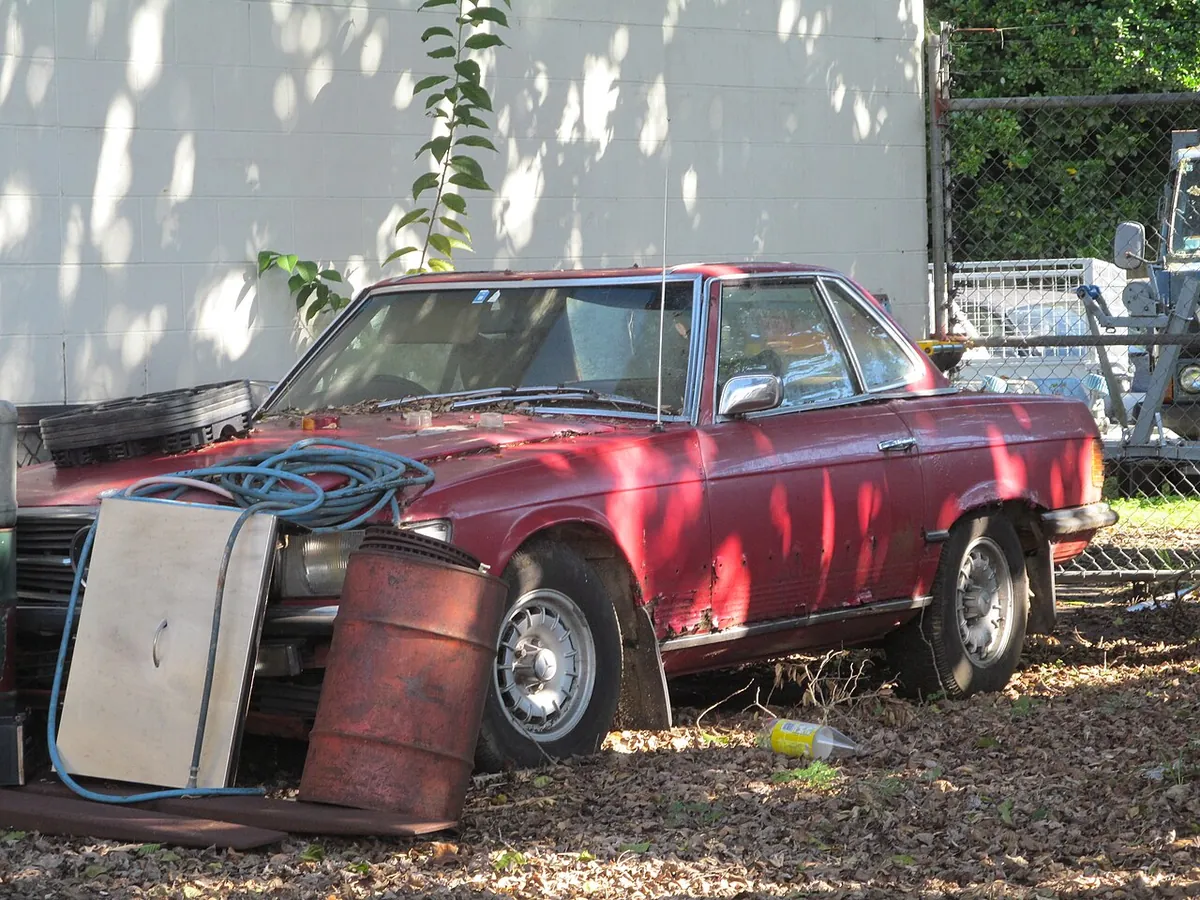
Mechanical problems are usually visible, measurable and replaceable. Rust hides. Sills, floors, arches, jacking points, chassis rails, strut towers, bulkheads and subframe mounts can turn a bargain into a welding course. If you cannot weld, you are paying someone who can. Good fabrication is not cheap, and bad fabrication is worse than no fabrication because it gives confidence where there should be fear.
Structural rust is also a safety and MOT issue, not a cosmetic one. Corrosion near suspension mounts, seatbelt mounts or the main load-bearing sections of the shell is exactly what testers look for. Price the repair as if it is worse than it looks, because it usually is.
.jpg)
Making mismatched parts work together
Then there is the cost of making mismatched parts work together. A gearbox swap needs mounts, clutch parts, hydraulics, wiring, propshaft changes and sometimes tunnel clearance. Bigger wheels may need tyres, arch work, alignment and gearing checks. A cheap turbo kit may need fuel system, cooling, mapping, exhaust and a clutch.
Previously modified cars carry an extra risk: somebody else’s decisions. Wiring done with household connectors, a map nobody has a copy of, parts with no receipts. You are not just buying the car. You are buying every shortcut the last owner took.
Check before you hand over money
Most of the nasty surprises are findable on a driveway with a torch, a magnet and some patience. A short list:
- History checks. In the UK, the free MOT history service on GOV.UK shows past test results, including advisories and recorded mileages. A string of the same advisory year after year tells you what has been ignored. A paid history check covers outstanding finance and whether the car has been recorded as an insurance write-off.
- Write-off category. In the UK, Category S (structural damage) and Category N (non-structural) cars can be repaired and used again. They can be good value. They also affect insurance and resale, so know before you buy.
- Identity. Check the VIN on the car against the documents. On a swapped car, check what the engine actually is and what the paperwork says it is.
- Underneath. Lie on the ground and look. Sills, floors, jacking points, rails, subframe mounts. Press on suspicious areas. Fresh underseal on an old car is not always a good sign.
- Compression or leak-down test on anything whose engine you are relying on. It is cheap compared to discovering a tired engine later.
- Fluids. Milky oil, oily coolant and burnt-smelling gearbox oil all tell stories.
- A test drive, if it runs. Listen for diff and bearing noise, feel for clutch slip, check it goes into every gear.
- An insurance quote for the car as it is and as you plan to build it, before you commit.
Rules and checks differ outside the UK, so use your local equivalents. The principle is the same everywhere: find out what the car is before you find out what it costs.
The point is not that cheap cars are bad
The point is not that cheap project cars are bad. Some are brilliant. Solid shell, honest owner, known history, needs work you can do yourself. That is a good buy at almost any price.
The point is that the sticker price is not the budget. Add the cost of making the car safe, legal, reliable and aligned with the build brief. Then compare that total with a better car at a higher price. Paying more for a solid, sorted car often costs less by the time you are driving it.
If the final number still makes sense, buy it. If it only works because you have ignored the boring parts, it is not cheap. It is deferred spending with a better advert.