
Nobody wants to hear that the best first modification is maintenance. It is not exciting. It does not look good in a photo. It does not make turbo noises or fill an arch. It will not get applause at a meet unless the crowd is made entirely of MOT testers.
It is still usually the right answer.
Most project cars are old enough to have history. Some of that history is documented. Some of it is hidden under underseal, cable ties and optimism. Before adding power, grip or stance, find out whether the car is actually healthy. Fluids, filters, belts, plugs, bushes, ball joints, wheel bearings, tyres, brakes, coolant hoses and earth straps are not glamorous, but they decide whether the car is enjoyable or just stressful.
A neglected car with modifications is not a performance car. It is a maintenance backlog wearing accessories.
Start with safety: tyres
Tyres first. Not just tread depth, but age, condition, load rating and whether the sizes make sense.
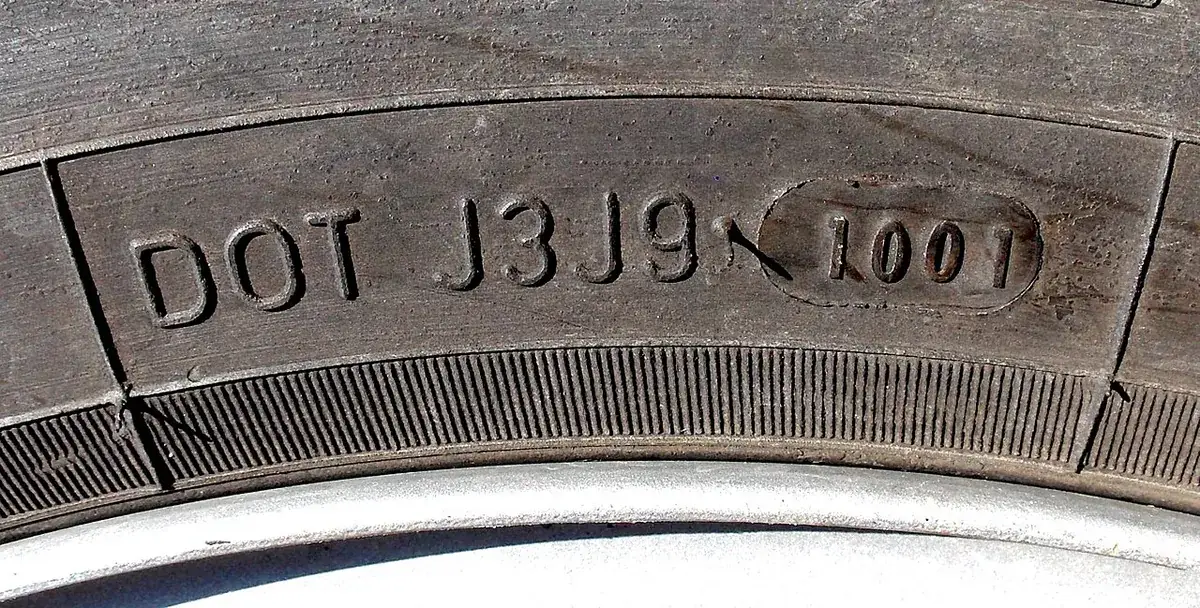
Age is the one people miss. Every tyre has a four-digit date code on the sidewall, after the letters DOT. The first two digits are the week and the last two are the year, so 2319 means week 23 of 2019. Rubber hardens with age even when the tread looks fine. Mileage matters too. As a rough guide, a lot of road tyres last somewhere between 20,000 and 40,000 miles, but the real figure varies by manufacturer and by application. A soft performance tyre on a powerful car can be finished well short of that. A harder compound on a light car that is driven gently can go further. Check the maker’s guidance for your tyre and the way you use it. On a car that has sat for years, old tyres are common and they grip like a vague suggestion.
Check they match across each axle, too. Mismatched brands or wildly different wear across an axle make a car feel odd, and odd is not what you want when you are trying to work out whether the suspension is at fault.

Then brakes
Pads, discs, fluid, lines, calipers and handbrake function. A power upgrade can wait. A brake pedal that goes long after two stops cannot.
Brake fluid deserves its own sentence. It absorbs water over time, which lowers its boiling point. Many manufacturers call for a change every two years. On a car with unknown history, change it. It is cheap, it is quick, and it removes one question from every brake problem that follows.
Then fluids
Next, sort fluids. Engine oil, gearbox oil, diff oil, coolant, brake fluid and power steering fluid all tell stories. Metallic oil is a story you do not want. Old coolant can mean corrosion. Gearbox oil that looks like it came out of a canal is not a personality trait.
Use the right specification, not just the right type. Gearbox and diff oils in particular vary by car, and the wrong one can make a healthy box shift badly. The handbook or a specialist will tell you what yours wants.
The timing belt question
If the engine has a timing belt and you cannot prove when it was changed, change it. Follow the manufacturer’s interval by age and mileage, whichever comes first. On many engines a snapped belt means valves meeting pistons, and that turns a service item into an engine rebuild. Do the water pump and tensioner at the same time if the engine’s design puts them in the way.
Then suspension and steering
Worn bushes and tired dampers make a car feel vague, noisy and unpredictable. People often fit coilovers to fix handling that was actually caused by perished rubber and twenty years of tired alignment. Fresh standard parts can feel like witchcraft, except it is just the car working properly again.
Finish with a proper four-wheel alignment once the worn parts are replaced. Aligning a car on worn bushes just measures the wear.
Electrical health
Electrical health matters too. Clean grounds, good battery condition, working charging system and tidy wiring save hours of chasing ghosts later. If a previous owner has installed audio, alarms, gauges or switches with household connectors and a dream, budget time to undo it.
A baseline checklist
Before the first performance part, aim to tick off:
- Tyres: date codes, condition, matching sizes, correct load and speed ratings.
- Brakes: pads, discs, fluid change, hoses, handbrake.
- Engine: oil and filter, air filter, plugs, coolant, belts, and the timing belt if in doubt.
- Drivetrain: gearbox oil, diff oil, clutch operation, propshaft and CV joints.
- Chassis: bushes, ball joints, wheel bearings, dampers, alignment.
- Electrics: battery test, charging voltage, earth straps, and any previous-owner wiring.
- Leaks: find them, fix them, and clean the underside so new ones show up.
- Paperwork: write down what you did and when. That is your baseline.
Maintenance is also a diagnostic tool
Maintenance is also the best diagnostic tool. Once the car is mechanically honest, modifications make more sense. You can tell whether the gearbox ratios are wrong, the diff is too short, the tyres are too tall or the engine needs more power. Without a baseline, you are tuning around faults.
There is still room for fun. Do the service, fix the leaks, replace the rotten bits, align it properly, then modify from a known starting point. The car will drive better, the parts you add will work properly, and you will spend less time wondering whether the new noise is normal.
Maintenance is not the opposite of modifying. It is the foundation that stops the build becoming expensive nonsense.